This International PKU Day, the European Society for Phenylketonuria and Allied Disorders Treated as Phenylketonuria (E.S.PKU) is shining a light on as an aspect of PKU that is often left in the shadows: mental health. Through their “Traces of PKU” campaign, they are creating space for honest conversations about the stress, stigma, isolation and emotional weight that can come with living with PKU. They aim to bring the “invisible struggles front and center.”
PTC is proud to join the campaign by elevating the voices of people in the PKU community and those who support them, and by making space for these important conversations.
In this article, you’ll hear from three individuals living with PKU, each sharing how PKU intersects with mental well-being, and the importance of talking about the impacts of mental health.
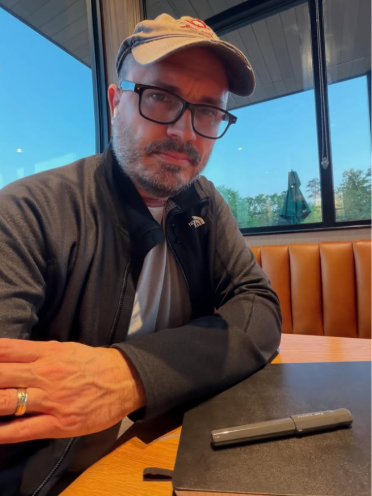
Kevin, Living with PKU, U.S.
“When you’re living with any chronic or rare disorder, it can get overwhelming at times. But we also have things going on in our lives besides just our rare disease. How do we separate what is going on in our lives from the daily experience of the rare disease lifestyle? We can’t. And we need to start talking about how we deal with everything that is happening to us and how our rare disease is related to all of that.
…The more I speak with others in the community, I realize that I am not the only one thinking about all of this. Public discussions of mental health are still taboo. But many people reach out privately to chat about all of this.
As a community, we must talk about PKU and mental health. People suffer in silence because they feel alone and misunderstood.
When the burdens of life and living with PKU become too much, what can we do? I choose to focus on making incremental change – trying to improve one step at a time, one day at a time. The way I practice that in advocacy is by helping one person at a time. I try to lighten the load for someone else. When I do that, it makes the burdens a bit easier to carry.”
Signe, Living with PKU, Denmark
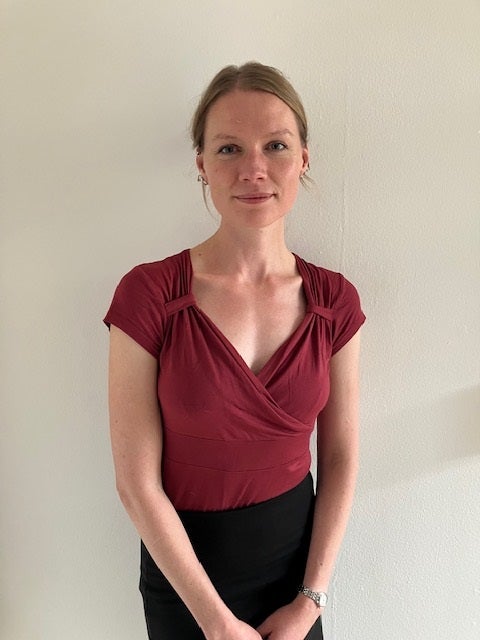
“Living with PKU has definitely affected me mentally and psychologically. I’m a classical PKUer, which means that it’s the strictest diet I have to be on.
It’s ongoing. It’s always in my head. I probably think about [PKU] most of my waking hours.
Throughout my entire upbringing I’ve had to be on a really, really strict diet. And that control around food has given me a very abnormal view on food, and a disordered eating pattern.
My Phe levels got so high that I ended up deeply depressed; very, very anxious, very anorexic actually and at one point even psychotic. It has taken tremendous energy and tremendous effort to get my life together… to get my Phe levels down again. And I can happily say that they are within range now and I’m doing much better mentally. But it is a daily struggle.
I think there needs to be so much more awareness of the psychological impact of living on a diet – the altered brain chemistry that PKU does lead to.”
Regina, Living with PKU, Brazil
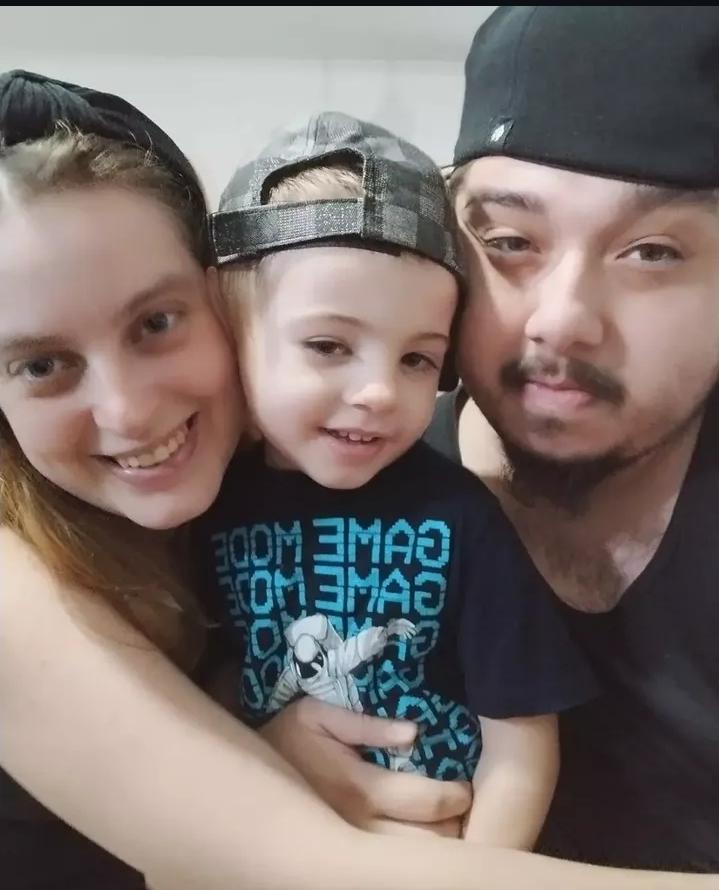
I noticed the impact of PKU on my emotional well-being mostly during adolescence. That’s when we start caring a lot about what other people think. Because of that, around the age of 9 or 10, I started feeling kind of embarrassed about having PKU.
Today people drink whey protein and things like that, but back then it was odd to see someone drinking a formula in the classroom, for example. There were many times when I chose not to go places because there wouldn’t be anything I could eat—like school parties. I’d think, “There’s nothing there for me, so why go?” Eating is also a social act, and living with severe restrictions can make everyday situations more challenging.
Sometimes planning my diet and formula causes anxiety—especially because when you leave the house, you have to remember to bring the PKU formula with you. Sometimes you forget—you’re in a rush, and it slips your mind. Then you get anxious and think, “Oh my God, I’m not going to take it—what am I going to do now? Should I take it when I get home? What do I do?”
So, you end up adapting—changing your schedule. For example, let’s say I was supposed to have lunch out and bring the PKU formula with me. If I forget it, what do I do? I eat anyway, and then when I get home, I eat something else and take the PKU formula.
So, you constantly have to adapt as things happen.