According to EURORDIS, the Rare Disease Day 2026 theme, “More than you can imagine”, reminds us that “rare diseases touch more lives, involve more conditions, and require more action than most people realize.”
In recognition of this powerful global campaign, PTC honors the phenylketonuria (PKU) community by amplifying voices from across the globe. Together, we can raise our voices to shed light on the realities of living with PKU and educate on the unmet needs of this community.
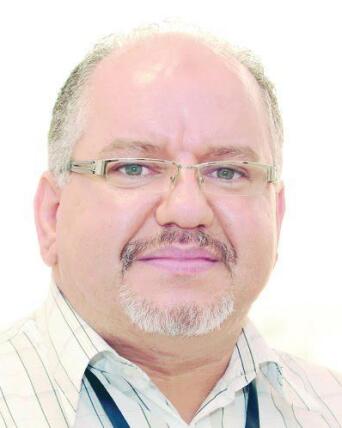
Prof. Tawfeg Ben-Omran QatarBy raising our voices for PKU on Rare Disease Day, we stand in solidarity with the entire rare disease community, united in the push for recognition and better care. From infancy to adulthood, every PKU patient has a story of strength behind their daily restrictions. Rare Disease Day is our chance to amplify those stories and drive real change.
Elaina Jurecki, MS, RD
Transcript: One of the individuals that you know with PKU that I work with. She said she is striving for treatment that will allow not diet liberalization, not diet relaxation, diet normalization. I want to have a normal diet.
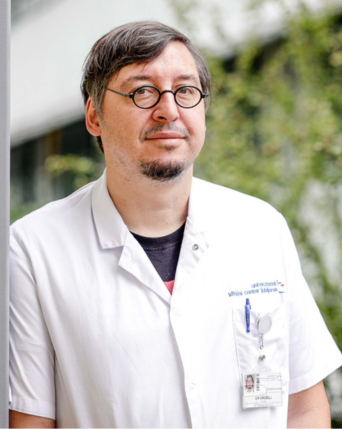
Assoc. Prof. Urh Groselj SloveniaPhenylketonuria is one of the clearest examples of how newborn screening can prevent irreversible harm — but only if screening is implemented early, systematically, and equitably. Globally, even in some parts of Europe, access to comprehensive newborn screening still varies greatly. On Rare Disease Day, we must raise our voices to close these gaps, strengthen screening systems, and ensure that every child with PKU has the same chance for a healthy life, regardless of where they are born.
Marcus Strandepil, Chairman of Swedish PKU Association
Transcript: My name is Marcus and I’m the chairman of the Swedish PKU Association. Living with PKU means there are no breaks. It requires planning, discipline and sacrifice. It affects children, adults and families. I believe if there are medical treatments available, they really should be available to all the patients who need it.
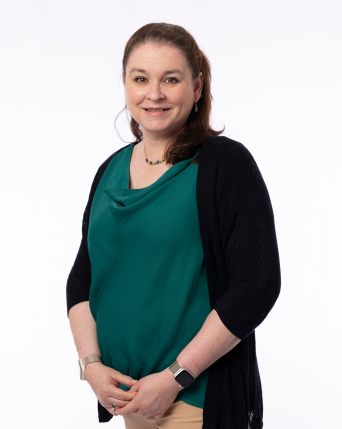
Tracy, living with PKU, believes that “when you advocate for yourself and your health,” it helps others learn about PKU—both now and in the future.
Evgeni Doychev, Bulgaria, President of the Bulgarian PKU Association, father of a child with PKU
Transcript: PKU is a rare disease with the best possible long-term outcome and this can be achieved by means of a rigid diet, a lot of self-discipline and dedication in the family. However, there are aspects of everyday life that PKU patients find hard to cope with. Stigma, embarrassment in social events and alienation. That is why I believe it’s critical for everyone concerned to make a stand and provide PKU patients with equal opportunities.
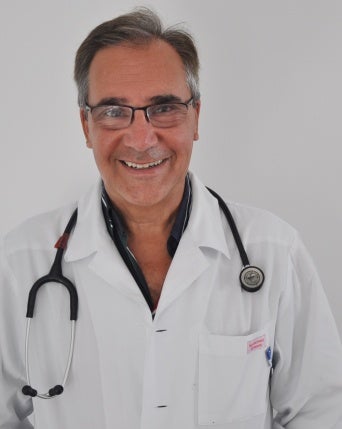
Prof. Janos Bokay HungaryAlthough effective newborn screening and early initiation of the diet can prevent the dreaded neurological symptoms of PKU, the low-protein diet still poses many challenges in the everyday practice. Bad-tasting formulas reduce adherence, making it more difficult to maintain the dietary goal of keeping patients' Phe levels within the desired range for their age. We must do every effort to ensure, that the quality of life of PKU patients is as close as possible to that of healthy people.
Bojana Terzin, Serbia, President of the Serbian PKU Association and a mother of a boy with PKU
Transcript: PKU is maybe an invisible rare disease, but the needs of PKU patients are real and also unmet, such as lack of dietitians here in Serbia, and difficult socialization due to a special diet. We are grateful to everyone who showed understanding, but public awareness must be raised. No one should be denied the basic rights for growth, development and acceptance in society.