“It’s ongoing. It’s always in my head. I probably think about PKU most of my waking hours.”
A person living with PKU is describing something that many people with phenylketonuria (PKU), a rare, inherited metabolic condition, understand all too well: the condition doesn’t ‘clock off’.
As people with PKU, families, patient advocates, healthcare professionals, researchers and policymakers come together for this year’s European Society for Phenylketonuria and Allied Disorders Treated as Phenylketonuria (E.S.PKU) Conference on 22-25 October, they are focused on improving care for people living with PKU
Thanks to newborn screening and early intervention, outcomes have improved. But PKU is a lifelong condition. That may mean daily meal tracking, specialized medical foods, amino acid supplements, and regular blood monitoring.
We spoke to people affected by PKU – both patients and parents – who shared their perspectives* about day-to-day management of the condition and how living with PKU is ‘always on’.
* The individuals featured below share their personal experience using their own words which may not necessarily reflect the views of all people living with or caring for someone living with PKU.
Richard, living with PKU, UK
“PKU generally takes up literally most of my life. It’s a mental drain.It’s a diet that’s all consuming. And it’s not just a simple thought process, like I just want to lose some weight so I’m going to follow a weight loss diet. It just encompasses every aspect of our life. It’s every decision. Every thought process and the ramifications of not doing it are significant enough that the impact can be easily visually seen and physically felt by us.”
Colm, daughter living with PKU, Ireland
“It’s all day, every day. There’s no escaping it. It’s every meal, trying to get amino acid substitutes in. It’s traveling. You just always have to be thinking three or four steps ahead. And that in itself is a challenge.”
Signe, living with PKU, Denmark
“I have to choose between severe brain damage and eating extremely restrictively, which for me goes hand in hand with eating disorders. Neither of these two things are very nice.
So, when people say it’s just a diet, we’ve solved the problem, I want to say ‘you don’t know what you’re talking about’. People go on short diets to lose weight and they have difficulty following them, so imagine going on an extremely restrictive weight loss diet and then being told you have to do this every single day of your life, for the rest of your life.”
So, what needs to change? Improving care starts with listening.
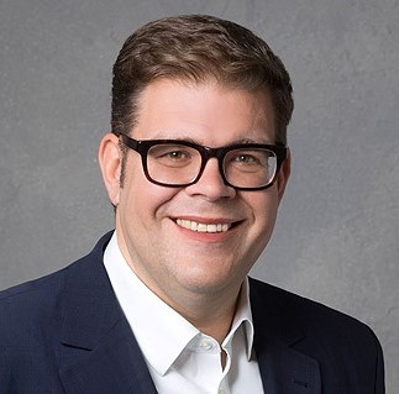
Christian Frenzel, Associate Director of Patient Engagement (DACH, BeNeLux, Nordics, UKI) at PTC, shares what he has learnt from listening to people living with PKU across different countries.
“Listening is essential for learning and truly understanding. Each country faces different obstacles – access to specialist care, dietary support and other supportive care, reimbursement pathways, and many other critical issues. In response, we have focused strongly on empowerment: supporting patient organizations in their development and day-to-day work and helping create practical tools to support advocacy efforts. What unites all countries is the shared goal of continuously improving PKU medical care and social support. A persistent barrier, however, is the outdated perception that PKU is only a childhood condition and does not require lifelong management and care.”
“Good partnership is about being consistent and treating the community as experts in their own lived experience. It also means understanding what changes could make a meaningful difference in people’s daily lives, while keeping quality of life and mental health in the conversation alongside clinical outcomes.”
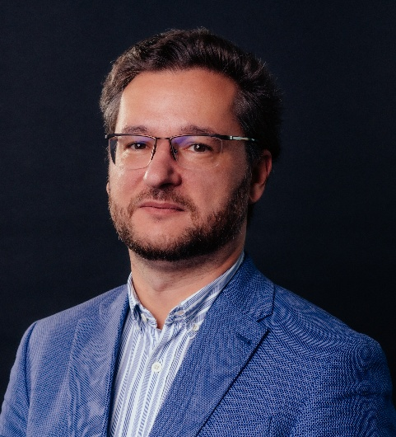
Davor Duboka, Associate Director of Patient Engagement (Partner Markets, Poland, Baltics, France, Italy, Iberia) at PTC, shared:
“Listening to patient organizations starts with showing up – at events like the E.S.PKU Conference and at summer camps held in many countries around the world. By supporting these events, we can talk with the community, listen, and learn what they really need to support their communities.”
“One very specific example of how we do this is the Young People’s Forum, organized by PTC. We invited young people living with PKU, aged 18 to 30, from across Europe to share their needs and challenges – and to brainstorm ideas for their peers.”
PTC is proud to be a sponsor of the E.S.PKU Conference 2026. Listening to people living with PKU, understanding the challenges they face and supporting collaboration across the PKU community can help inform efforts to improve care and support for people living with the condition.
PTC/Corp/UK/26/0024 | Date of preparation: October 2026